
All I Need is a Ride
Author: Sheri Denkensohn-Trott
I don’t complain much, but one of most difficult and frustrating parts of having a physical disability and using a motorized wheelchair is that you can’t jump into a  taxi, Uber or Lyft. Normally this is not a major problem because there is very good paratransit service where I live in Arlington, Virginia that can be scheduled in advance. Additionally, the Metro (that’s what we call the subway here) is always a second option.
Last Saturday night a friend and I decided during the day that we wanted to hear a singer that we really like at the 9:30 Club in Washington, DC. This is quite the cool place to be, and it is in a part of town that is considered “hip” but not the easiest to get to by Metro or bus. And, although much safer now, it isn’t really a place you want to be late at night. Because we decided on Saturday, I was not able to schedule paratransit and it is required that you do so in advance. We used a regular wheelchair taxi and paid a full fare to get there. There are  ample wheelchair taxis in Virginia. We arrived when the doors opened at 7 PM, had a great time, and decided about 9:15 that we were ready to leave. Yes, I know that’s on the early side for a club, but the first set was completed so it was a good time to leave.
We called for a wheelchair taxi from the Arlington taxi vendor, Red Top. They told us that someone would be there in 30 minutes. It had cooled off outside and there was a place next door to sit, so my friend went inside and got two bottles of water. After about 45 minutes, I called back and the dispatcher told me that they had not located a taxi to take the ride, but they were working on it. About 15 minutes later, I got a call from an area code that I didn’t recognize, somewhere in Utah, telling me that they still were unable to locate a taxi. I then called the local number and they gave me a timeframe that a taxi would be there in 15 minutes and then when I called back it was another 30 minutes, and it soon became obvious that they were unable to find a taxi to come to DC.
My friend and I started looking at the Metro options and it meant taking a trip on the Metro with line changes that would likely take over an hour if we were lucky. It was already close to 11 PM. Luckily, I have my own van and I knew that my attendant was coming to my house to put me to bed. I got her on the phone and asked if she would come pick us up in DC. In the meantime, instead of losing my patience (which I silently was), my friend and I went across the street and an outdoor café was not serving food, but we were able to get dessert, coffee, and a really good specialty bourbon drink called “When Hearts Collide.” The desserts were phenomenal, great fresh pressed coffee, and I most definitely would love to have that drink again. I know that Tony would love it!
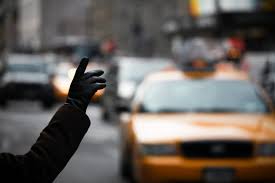 But I am not sure that I want to travel back to that location just for the desserts and drinks. Well, maybe during the day. All I can say is I don’t take transportation for granted. I look at those that jump into taxis and other vehicles and I can only dream of it being so simple! I am very thankful that I had the option of calling someone who was willing and able to come to DC and get me. I got home and went right to bed. At 52, late Saturday nights are in my past!
 (an employee said there were about 150,000 people each day, and it was four and a half days long), maybe I just lucked out. But I don’t think so.
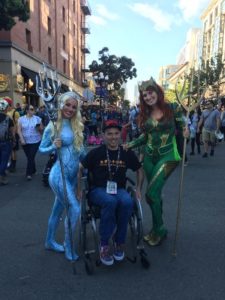 I believe it’s pretty common knowledge that nerds/geeks tend to have
 institutions to be accessible to individuals with disabilities in their programs and activities. The ADA broadened coverage to include employment, public accommodations, and later websites and other technology through addition of Section 508 to the Rehabilitation Act.
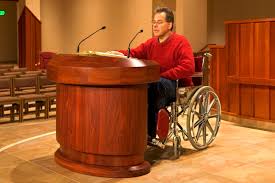 altar, bathroom, entryway, and programs that are accessible for those that are blind and deaf. These are major achievements that should be applauded. There are individuals all around this country that donate their time and resources to places of worship and many religious institutions have used donated resources to support making religious buildings more accessible for everyone, including individuals with disabilities.
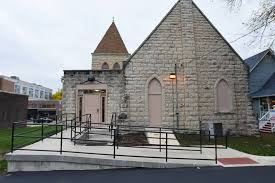 individuals that are knowledgeable about the needs of people with disabilities and can help critique construction plans, review procedures, and help leadership of religious institutions figure out what they can do within their budget and how much more they can do if they have a fundraising campaign for specific accommodations. This is often people who have disabilities.